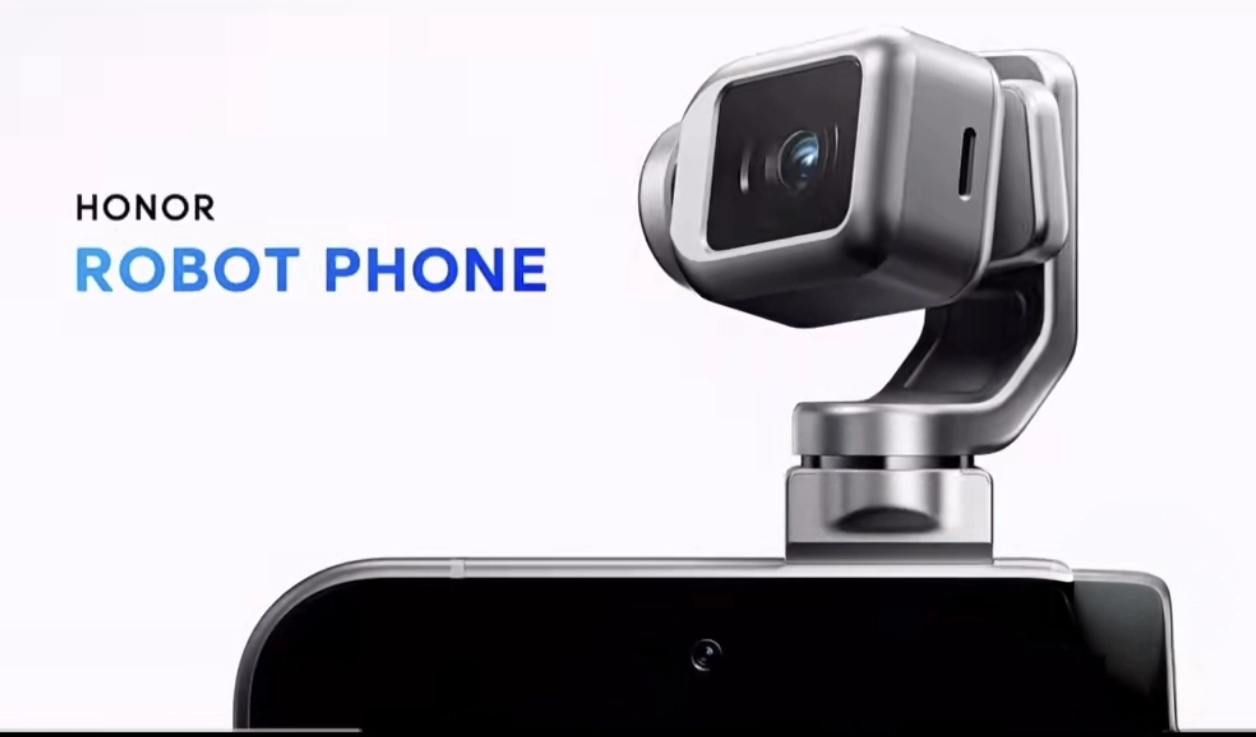
Honor released its new product, the Robot Phone, which features a stabilized camera. I was shocked when I saw this announcement because I believed that people mostly scan QR codes with their phone camera and only take videos to take evidence in conflicts. What made me even more shocked was the public’s positive attitude towards it.
This article will argue that taking videos to record your trip is unnecessary and a burden on both your devices and your spirit, while offering little exposure, based on my experience with creating vlogs.
Burden for Device: Storage and the Costs
Unlike photos, videos are more storage-occupying and lead to more hardware costs. Let’s take the iPhone 16 Pro as an example. To make your video clear and smooth at the lowest standard, you should take at least 1080p 60fps without HDR, which will take up 90MB per minute. To enjoy the full performance, you can opt for 4K 120fps to achieve the best quality and frame rate, but this comes at the cost of 740MB per minute. To take better control of videos, someone will choose advanced cameras, such as the Sony A7M4. A7M4 will consume 606MB per minute for 1080p@60 and 1,812 MB per minute for 4K@60. The data is shown in the following table.
| iPhone 16 pro | Sony A7M4 | |
|---|---|---|
| 1080p@60 | 90MB (per minute) | 606MB |
| 4K@60 | 740MB | 1812MB |
To support videos, you need larger storage. You will have to pay more for your devices, such as an additional ¥1500 for your macbook and about $2000 for your CF express Type A card. However, if you take photos alternatively, Leica M11p has about 15MB for a jpg photo or 80MB for a RAW photo, which means you can take a ton of photo if you don’t take a 10 min 4K video. On average, I take 1 hour of videos for a 5 day trip, but about 500 photos for the same trip. It is obvious that taking photos is a more economically friendly way. Since the storage and the fund requirement is so demanding, it is believed that taking photos is a wiser decision.
Burden for Time: Taking and Editing Video
Video editing is exponentially more time-consuming than photo editing, and the difference becomes even more significant when you focus on the effort required for shooting the material.
Editing
Turning materials into a watchable 3-minute casual video routinely takes me several hours—sometimes an entire evening. The process involves:
- Reviewing and organizing dozens or even hundreds of clips
- Finding the exact moments that carry emotion or tell the story
- Trimming each clip to the frame
- Arranging them in a logical and rhythmic timeline
- Syncing background music, adjusting volume levels, and sometimes layering sound effects or voice-over
- Color grading individual clips so they match
- Fixing shaky footage, exposure issues, or audio problems
By comparison, editing photos from a two-week trip usually takes me less than 20–30 minutes through a quick pick from duplicates and bad shots, and making basic exposure and color adjustments. The workload is simply much lower.
Taking (Shooting)
High-quality video demands far more intentional effort during capture than photography does, and this is where most people underestimate the real cost, especially on a holiday when relaxation is supposed to be the priority.
With photos, you see a nice scene, raise the camera, take 3–10 shots in a couple of seconds, and keep walking. With video, the mindset and physical commitment are completely different if you care about the final result.
To take an outstanding trip video, you need to:
- Film multiple takes of the same action to ensure you have clean beginnings and endings
- Walk through a street slowly, holding steady shots, then stop, walk back, take back your camera, and do it again from another angle
- Make room tour the moment you check-in instead of have a hour’s break
- You check framing, exposure, focus, and audio every single time, because one bad clip can destroy an entire work
In practice, this means that on a trip where photography feels effortless and joyful, video creation often feels like work. Most travelers understandably refuse to turn their precious vacation into a part-time filming job. They would rather live the moment than direct it, and they prioritize rest, spontaneity, and connection over gathering perfect footage.
Outcome
To make things worse, the outcome of your work is not equal to your efforts spent on them.
If you wish to have more exposure to the public by taking video, you will be disappointed. As far as I experienced, a video, especially 16:9 video on longer platforms such as Bilibili is even worse than photos posted on photo blog platforms such as Rednote. In other words, you can get more exposure with your photos than with your videos, making video-taking a low utility activity for exposure.
Some may believe that these recordings is more prioritized because your recording is your unique experience and is for your own reviewing. I will disappoint your because I never open my photos of previous trips after I backed them up to the new NAS since 2018. Such things is believed to happen in more households and make your work less meaningful the moment you finish and store your video or photo into your hardrive.
Conclusion and Suggestion
This post suggest that video taking during a trip is unnecessary. Since taking video during a trip is both spiritual and economical demanding, and your video work’s exposure is the same on your photo work, both for the public and your own use, you should give up taking videos for the highest utility during your vacation.